
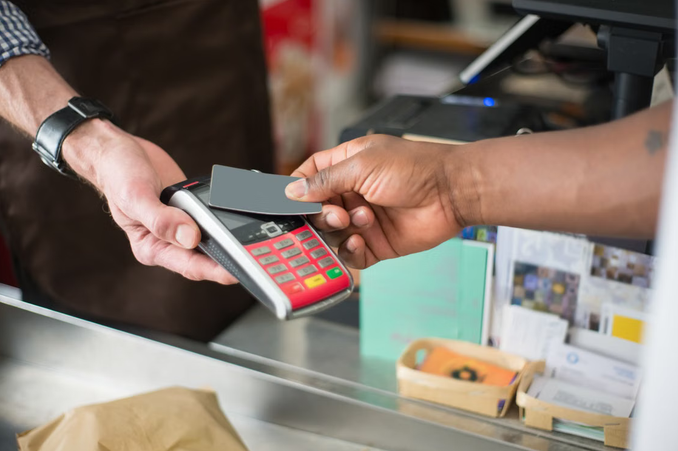
Why Timing Can Matter More Than Amounts in Business Transactions
Successful business transactions depend on more than the value of money exchanged, as timing often plays a decisive role in maintaining healthy financial operations. Recording payments, issuing invoices, and managing expenses at the right time can improve cash flow, support accurate reporting, and help businesses meet important financial obligations. Many organizations rely on bookkeeping services Brisbane to keep financial records current and ensure transactions are documented when they occur rather than after delays. Consistent financial timing also makes it easier to monitor performance and make informed business decisions. Understanding this relationship reveals why the timing of transactions can be just as important as the amounts involved.
How Timing Supports Healthy Cash Flow

Cash flow depends not only on how much money enters or leaves a business but also on when those movements occur. Payments received on schedule allow organizations to meet financial obligations, including supplier invoices, employee wages, and operating expenses. Likewise, well-planned payment schedules help businesses manage available resources without placing unnecessary pressure on daily operations. Effective timing therefore contributes to greater financial stability, even when transaction amounts remain unchanged.
The Relationship Between Timing and Supply Chains
Business transactions often form part of larger supply chain activities, in which one stage depends on another. Deliveries, purchase orders, and inventory replenishment must occur at appropriate times to maintain efficient production and distribution. A delay in a single transaction can affect multiple organizations by disrupting manufacturing schedules or limiting product availability. Coordinating transaction timing helps businesses maintain smoother operations and reduce the likelihood of unnecessary disruptions across the supply chain.
How Market Conditions Influence Transaction Value

The timing of a business transaction can affect its overall outcome because market conditions constantly change. Prices, demand, exchange rates, and customer behavior may vary over time, meaning the same transaction can yield different results depending on when it occurs. Businesses often monitor these changing conditions to understand better how timing influences purchasing decisions, sales opportunities, and investment activities. This demonstrates that the value of a transaction is often shaped by circumstances as much as by the amount involved.
Why Timely Transactions Strengthen Business Relationships
Reliable timing helps build trust between businesses, suppliers, and customers. Meeting agreed payment dates, fulfilling deliveries on schedule, and responding promptly to contractual commitments demonstrate consistency and professionalism. These practices support stronger long-term relationships because business partners can plan their own operations with greater confidence. While financial value remains important, dependable timing often becomes a key factor in maintaining productive commercial partnerships over time.
How Technology Improves Transaction Timing

Modern business technology has made it easier to complete transactions quickly and accurately. Digital payment systems, automated invoicing, real-time tracking, and integrated financial software allow businesses to process transactions more efficiently than traditional manual methods. These technologies reduce administrative delays while providing greater visibility into payment schedules and operational timelines. As a result, organizations can better coordinate financial and commercial activities while improving the overall reliability of business operations.
Timing can matter more than amounts in business transactions because it influences cash flow, operational efficiency, market opportunities, and business relationships. Well-timed payments, deliveries, and financial decisions help organizations maintain stable operations while supporting long-term commercial success. Although transaction amounts remain an important consideration, completing business activities at the right time often determines how effectively those resources are used. In an increasingly connected business environment, careful attention to timing continues to play a vital role in achieving consistent and efficient operations.…

 Many
Many 














 Take the time to research and compare different loss of income insurance policies. Look for reputable insurance providers that offer comprehensive coverage specific to your needs. Review each policy’s terms, conditions, and exclusions to understand the scope of coverage. Consider factors such as waiting periods, benefit amounts, and maximum coverage durations.

 Probably still the king of cryptocurrencies, BTC is a decentralized cryptocurrency that doesn’t require a central bank or single administrator. Its peer-to-peer network and transactions occur between users directly, without an arbitrator. And the network nodes verify the transactions through cryptography and record them in a blockchain. Bitcoin is unique in that there are a finite number of them: 21 million. BTC can be bought on exchanges and stored in wallets. Its price is volatile and has seen drastic swings in value over its short existence. BTC saw its most significant percentage drop in value last year, but it has since recovered and is now trading at around $24,667.
 On top of Bitcoin’s shoulders, Litecoin was one of the first
 Everyone can benefit from having a loan in their back pocket. Whether you’re facing an unexpected medical bill or you need to make a large purchase, a loan from a lending institution like 1500 dollar loan can give you the financial breathing room you need. But what if your credit isn’t good enough to qualify for a traditional loan? No problem – there are plenty of lenders who specialize in bad credit loans. You may not get the best interest rate, but you’ll still be able to get the money you need when you need it.
 There are many government programs designed to help people in difficult financial situations. If you’re struggling to make ends meet, see if you qualify for food stamps, Medicaid, or other assistance programs. You may be surprised at how much help is available to you.
 One of the most important things you can do for your small business finances is paying yourself first. Itmeans that you should set aside a certain amount of money each month to cover your expenses. This will help you avoid dipping into your business funds when you need cash for personal reasons. You should also make sure to put some money into savings each month so that you have a cushion to fall back on if your business experiences some tough times.